History and Culture
The Medici family
The roots of the Medici family reach right back into the Mugello valley, and first find mention in a document from 1230.
Mugello, already at that time, was a strategic place as the crossroads of the roads connecting the Florentine and Bolognese valleys, precisely where the Medici family had their trade and earnings.
Indeed, it was from Mugello that the Medici family began its fortunes, which took them far beyond the beautiful valleys between Florence and Bologna.
Here is an itinerary idea that we recommend to discover the traces of the Medici family in Mugello:
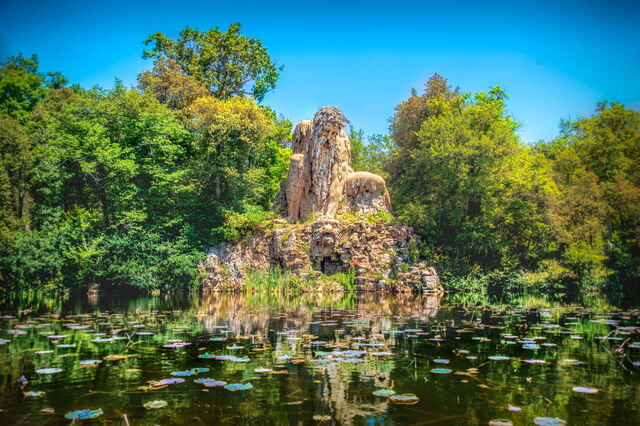
1. Demidoff Park and Villa in Pratolino: Although the original villa was demolished, the park retains many interesting monuments, including the statue-fountain of the Apennines, an extraordinary work of art. This is a great place to take a nature walk and admire the beauty of art in the open air.
2. The Palace of the Vicars in Scarperia: The Palace of the Vicars is a testimony of the time and history of the region, commissioned by the Florentine Republic on the occasion of the founding of the medieval town of Scarperia.
3. Fortress of San Martino in San Piero: This imposing fortress was commissioned by the Medici in the late 15th century and was an important strategic center. Exploring the walls and surroundings gives an idea of what it must have been like to live in a fortified city.
4. Castello del Trebbio: This medieval castle offers breathtaking panoramic views of the Mugello valley and is another example of the Medici residences in the area.
5. Villa di Cafaggiolo: This villa was one of Lorenzo the Magnificent's favorite residences. Although it is now private, its architectural beauty is visible even from the street.
6. Convent of Bosco ai Frati: This ancient convent, founded before the year 1000, was renovated at the initiative of Cosimo I de' Medici. Inside are precious gifts from the family, including a wooden crucifix attributed to Donatello.
Giotto and Beato Angelico
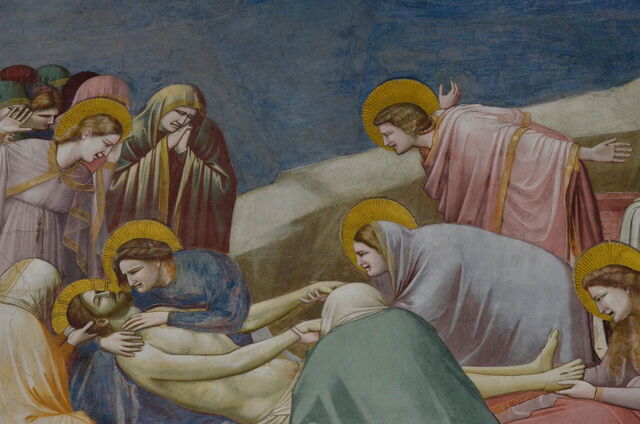
Mugello also boasts of being the hometown of two important artists of the Italian Renaissance: Giotto di Bondone and Beato Angelico.
Giotto, one of the most celebrated painters of the Renaissance period, was born in Vicchio in Mugello around 1266. If you visit Vicchio, you can visit the Museo di Casa Giotto, which celebrates the artist's life and works, although most of his masterpieces can be found in Florence and other parts of Italy.
Beato Angelico, whose real name was Guido di Pietro, was an important Dominican friar painter of the Renaissance. He was born in Rupecanina, a small village in Mugello, in 1395. If you visit Mugello, you can follow his roots by visiting his hometown and learn more about his life and art.